

Today, sustainability is much more than just a trend (despite what some might say). Concepts like upcycling stand out as innovative approaches to our consumption habits. Upcycling is a practice that goes beyond conventional recycling: it is about true transformation. The goal is to give a second life to used materials.
In this article, we invite you to dive into the world of upcycling, explore its positive impact on the environment, and discover how it can shape the future of fashion. Through examples of committed brands, we will explore how upcycling and recycling are becoming far more than mere passing trends.
Understanding upcycling
Upcycling is a concept taking on growing importance in how we approach consumption. Unlike conventional recycling, which breaks down materials to create something new, upcycling involves repurposing an object without altering its original nature. An item is transformed by giving it a new purpose, often with a creative and innovative touch.
Let's take a simple example: while recycling transforms plastic bottles into Mesh to enhance the interior comfort of your vegan trainers, upcycling might involve repurposing those same bottles into decorative items like planters, storage units, and more. Upcycling not only reduces waste, but also sparks creativity in product design.
The major difference between upcycling and recycling therefore lies in the transformation process. Recycling breaks down and reconstructs from raw material, whereas upcycling reinvents and enhances without destroying.
At Zèta, we primarily recycle materials to incorporate them into our white trainers. This choice is guided by both practical and aesthetic reasons, allowing us to offer a stylish and eco-friendly alternative to conventional materials.
The Environmental Impact of Upcycling
Upcycling does more than just give a new lease of life to used items. It also plays an important role in preserving our environment. Let's take a closer look at how this practice contributes to a greener future.
-
Waste reduction: This method helps significantly reduce the volume of incinerated waste, notably by repurposing materials that would otherwise be discarded. Upcycling not only reduces landfill burden, but also encourages more responsible waste management.
-
Energy and resource savings: Manufacturing new products often requires a significant amount of energy. Upcycling, by contrast, utilises existing items, reducing the demand for raw resources and saving the energy that would have been used to produce new materials.
- Carbon footprint reduction: By avoiding the manufacture of new products, upcycling helps reduce the greenhouse gas emissions associated with production and transport (which is all too often overlooked). This is particularly relevant in the fashion industry, where fast-paced production cycles (fast fashion) have a devastating environmental impact.
By integrating upcycling into our consumption habits, we not only embrace a creative and innovative approach to fashion, but we also actively contribute to protecting our planet. Initiatives such as those by Zèta or other brands incorporating upcycling and recycling into their products show how the fashion industry can evolve towards more sustainable and environmentally friendly practices.
If you would like to discover committed brands (especially in upcycling), we introduce some of them here.
Upcycling in Fashion: Beyond Trends
As you have probably gathered, upcycling is all about transforming used materials into unique pieces, skilfully blending style, personality, and eco-responsibility. Today, it is fashion's turn to embrace these practices and shift towards cleaner production methods.
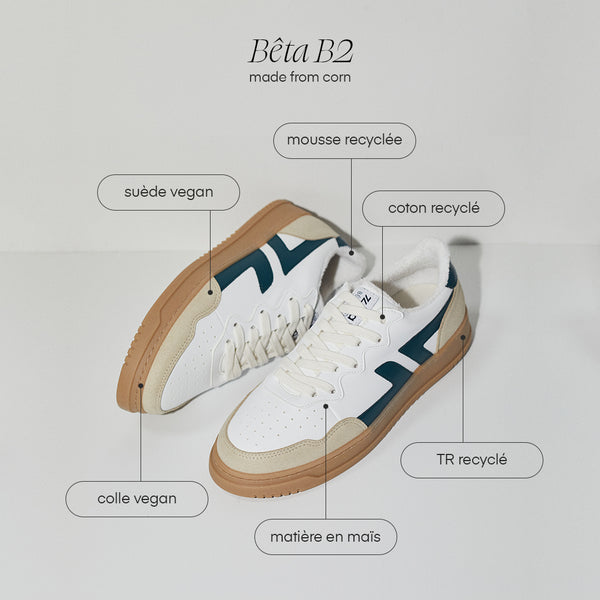
As far as we are concerned, we implement practices such as recycling and upcycling (at our own scale) to offer sustainable, zero-waste products. In every pair of Zèta trainers, you will find repurposed materials. To give you a clearer picture, here are the various materials used in a pair of Zèta shoes.
We are proud to be part of this (r)evolution, where upcycling and recycling are becoming cornerstones of the fashion industry. It is by offering alternatives such as these that we can all play a part in creating a more responsible fashion industry.
Want to be part of it? Discover our beige trainers now, combining style with environmental awareness.
How these practices can transform your wardrobe
Bringing upcycling into our daily lives goes well beyond simple eco-consciousness. Transforming objects allows you to nurture your creativity while personalising your fashion experience.
Design, sketch, and craft the fashion pieces and accessories you need using the materials you have to hand.
To illustrate this, we are highlighting different upcycling brands as well as DIY creations you can make at home.
Brands such as La Vie Est Belt and Cingomma craft belts and other fashion accessories from upcycled tyres (mostly bicycle tyres). They also offer products made from decommissioned fire hoses and climbing ropes.
Many brands continue to innovate by using discarded materials, but the example that truly stands out to us at Zèta is Benjamin Benmoyal. This designer weaves garments from the magnetic tape found in audio and VHS cassettes. He has collected thousands of magnetic tapes with the help of recycling organisations and by recovering deadstock from factories that closed in the 2000s. This brings us right back to the essence of upcycling: Benjamin takes obsolete items and turns them into everyday pieces.
For those who wish to make their own upcycled items, the blog "Mon Cocon Organisé" shares upcycling ideas for practical and eco-friendly storage solutions.
Incorporating upcycled items into your wardrobe—and more broadly into your daily life—offers two main benefits. First, it helps keep costs down by repurposing items you already own. Second, it allows you to make a responsible, sustainable choice while unleashing your creativity during the upcycling process. On top of being stylish, these pieces tell a story and are sure to turn heads.
Choosing these alternatives is an effective way to promote a more responsible fashion industry. At Zèta, we believe in the potential of upcycling in an ever-evolving fashion landscape, where everyone's needs are being redefined. Our trainers, crafted from recycled materials, perfectly demonstrate how comfort, style, and eco-consciousness can harmoniously coexist.
Looking to the future
Looking at the role of upcycling in the world of fashion, it is clear that we are all part of a transition. Upcycling is not merely an eco-friendly alternative; it is a reinvention of fashion itself. Through the creative transformation of used materials into unique fashion pieces, upcycling presents a compelling case: creativity, ecology, style, authenticity, and sustainability...
Looking ahead, upcycling is set to play a pivotal role in creating a sustainable fashion industry. With growing awareness of fashion's impact, consumers and brands (at least some of them) are increasingly turning towards eco-friendly practices. Upcycling and material recycling will not just be fleeting trends, but fundamental components of fashion design, driving the industry towards greener and more responsible innovations.
At Zèta, we are proud to be part of this movement. By incorporating these practices into our collections, we are not just making a fashion statement; we are making a choice for the future. We firmly believe that upcycling will continue to reshape the fashion industry, paving the way for creations that are not only beautiful and authentic, but also deeply rooted in the principles of sustainability and responsibility.
We would love to hear your recycling and upcycling tips in the comments section below. Feel free to share your own ideas and life hacks.